
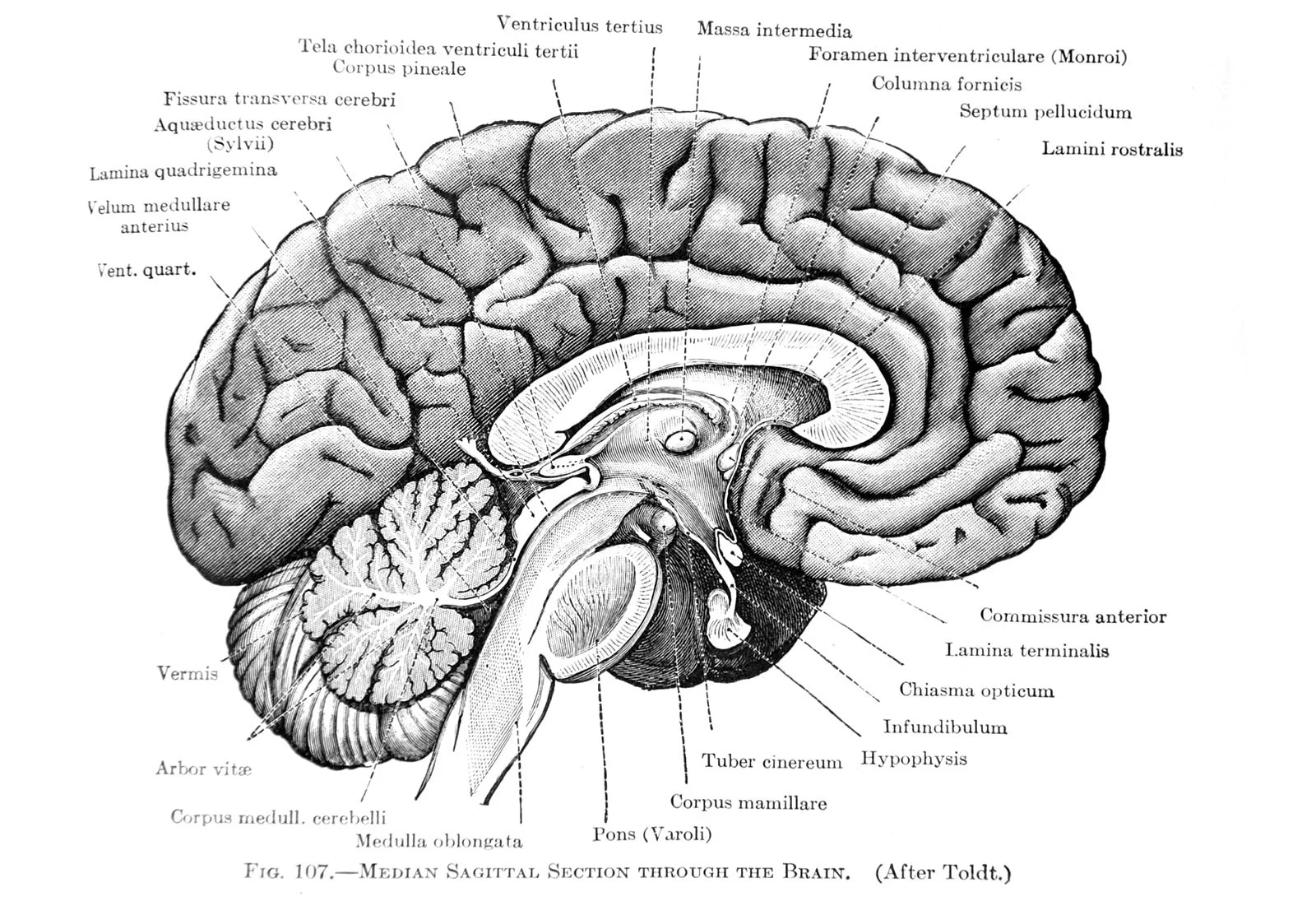
Subcortical vs. Cortical Processing: Why It Matters in Rehabilitation
MST activates subcortical systems first, ensuring stable sensory input before adding cognitive tasks like speech or memory training.
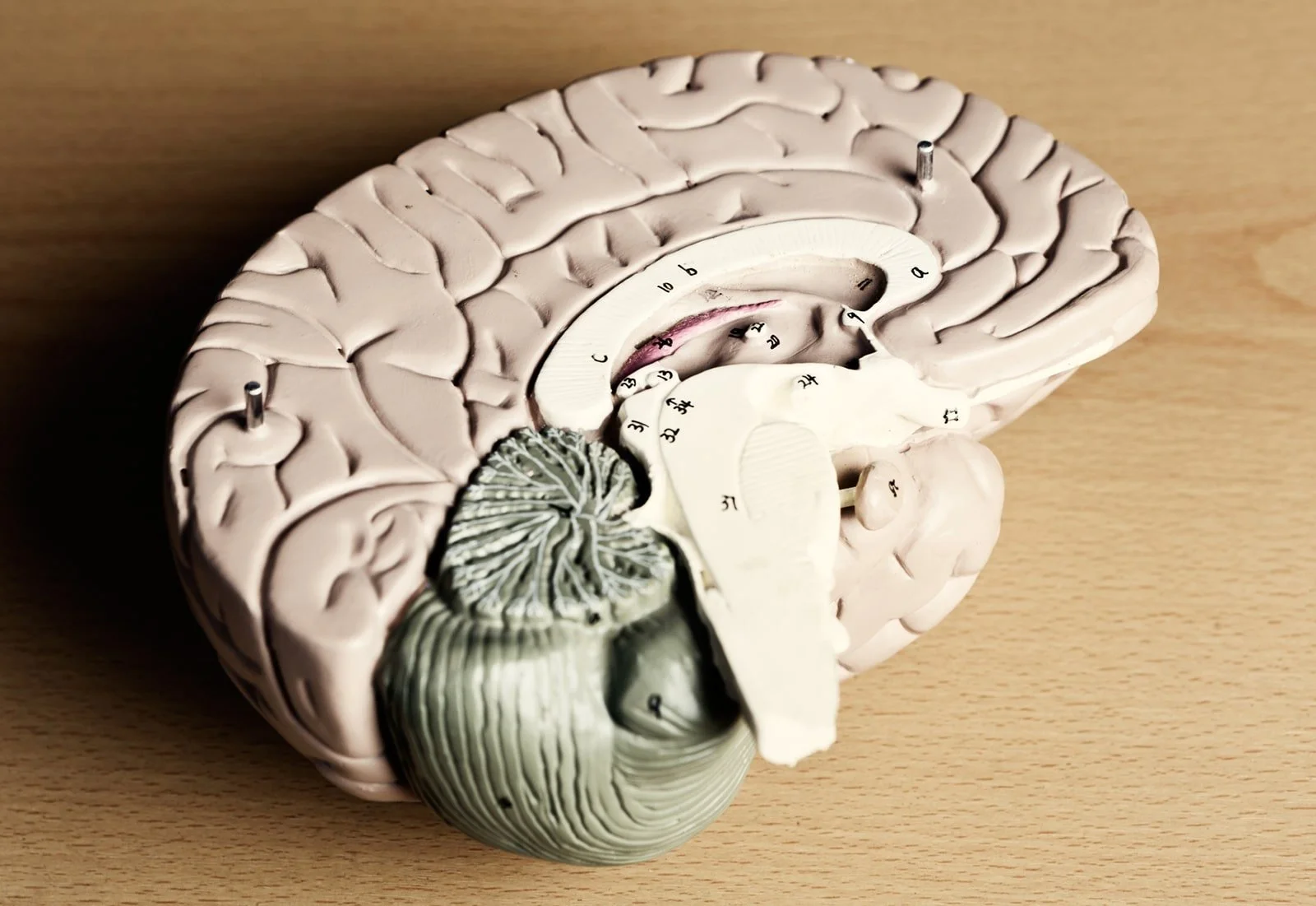
The Role of the Brainstem in Multisensory Integration
MST starts in the brainstem to recalibrate sensory input, enabling balance, coordination, and readiness for higher cognitive function.
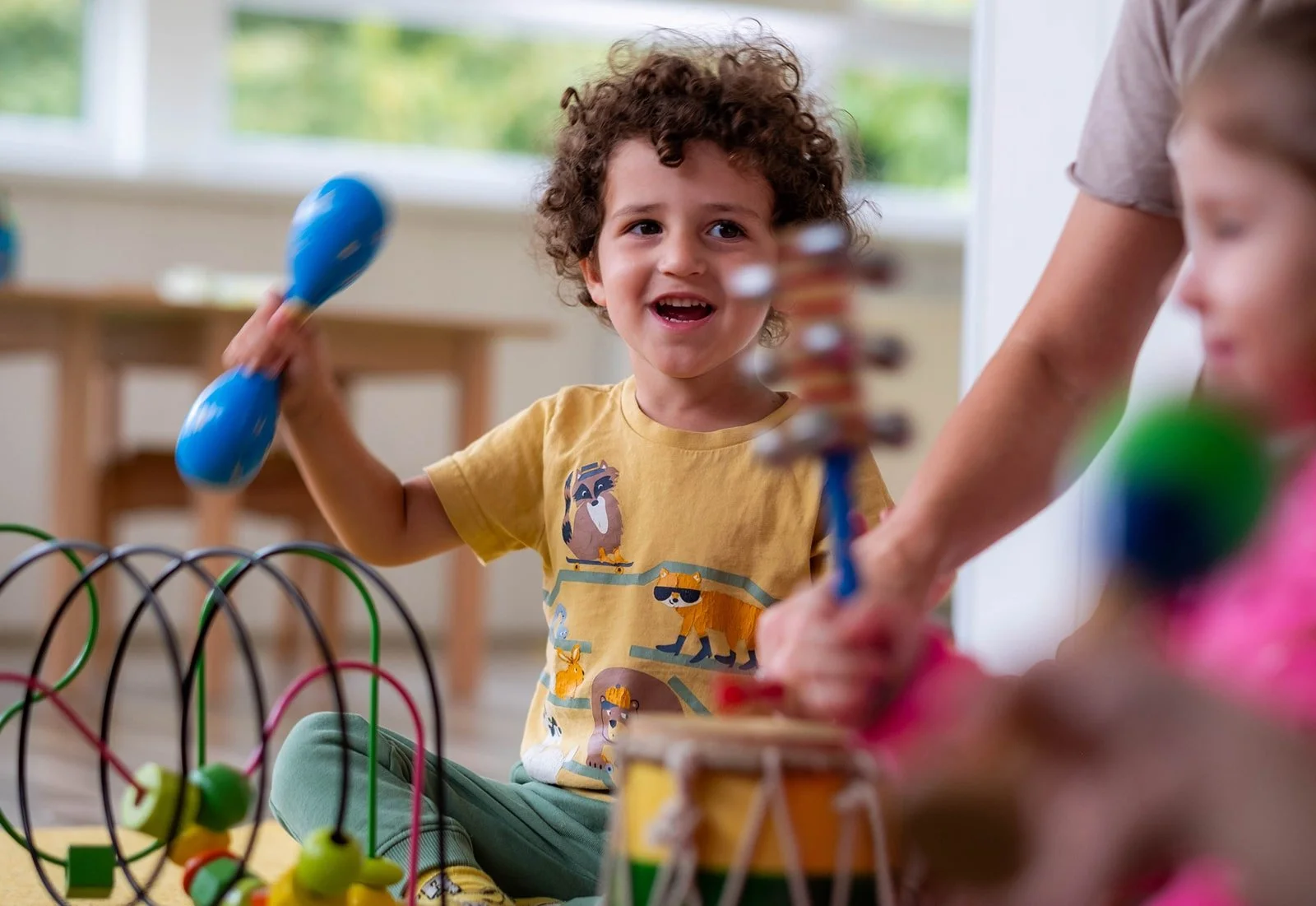
How Multisensory Processing Impacts Child Development
MST helps children achieve sensory fluency, enabling learning and behavior by correcting fragmented multisensory integration

The Science Behind Multisensory Processing and Learning
MST restores automatic sensory pathways to reduce effortful learning and reestablish foundational brain function after injury or delay.

What is Multisensory Integration?
Explore how the brain combines sight, sound, and movement through multisensory integration—and why this process is important for perception, learning, development, and recovery.